Geometric Modern Pool Design for Contemporary Homes
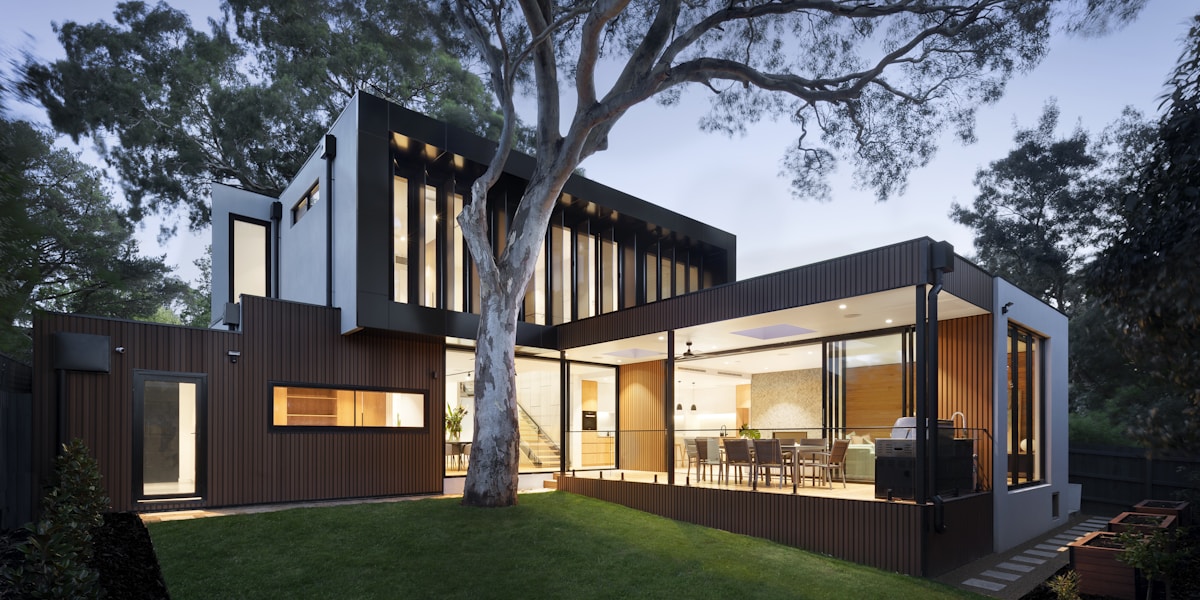
Where lagoon pools celebrate the organic and the untamed, geometric pools celebrate precision. Straight walls, sharp corners, deliberate proportions, and minimal ornamentation define the geometric pool aesthetic — and when executed alongside contemporary architecture, the result is an outdoor space that reads as a natural extension of the home rather than a separate recreational feature. Geometric pool design is not about being boring; it is about achieving visual impact through restraint, proportion, and the interplay between water, light, and surrounding materials.
Shapes That Define Modern Pool Design
The rectangle remains the workhorse of geometric pool design, but it is far from the only option. L-shaped pools wrap around outdoor living areas and create distinct zones for swimming and lounging. T-shaped designs offer a central lap lane with shallow wing areas on either side for wading and conversation. Elongated narrow pools — sometimes called lap pools or corridor pools — fit beautifully along property lines or adjacent to linear home facades, creating a reflecting channel effect that adds visual depth to the entire yard.
Compound geometric shapes — a rectangle joined to a smaller square or an angular notch cut into one corner — add complexity without sacrificing the clean-lined philosophy. These shapes create functional zones (a separate spa area, a sun shelf, a children’s wading zone) within a single pool that still reads as architecturally cohesive. The key is that every angle is deliberate and every dimension relates proportionally to the others and to the surrounding built environment.
Material Choices That Elevate Geometric Design
In a geometric pool, finishes and materials carry more visual weight than in a freeform design because there are no curves, boulders, or cascading water features to distract the eye. The interior finish sets the water color and overall mood. Dark plaster or pebble finishes in charcoal, midnight blue, or black create a dramatic, mirror-like water surface that reflects the sky and surrounding structures. Lighter finishes in white or pale blue produce a more traditional, resort-style appearance with vivid water clarity.
Coping and decking choices should complement the architectural language of the home. Large-format porcelain pavers, honed limestone, or poured-in-place concrete with a broom or sandblasted finish all pair well with modern geometric pools. Avoid ornate natural stone with heavy texture — it conflicts with the precision aesthetic. The tile at the waterline is another design lever; a single row of large-format glass tile in a color that matches or subtly contrasts with the interior finish adds refinement without clutter. Keeping that tile clean is part of ongoing pool tile and grout maintenance that protects both the look and the longevity of the installation.

Integrating the Pool with Contemporary Architecture
The most successful geometric pool installations treat the pool as part of the home’s architecture, not as an accessory to it. This means aligning pool edges with structural lines of the house — extending the pool wall along the same plane as the home’s rear facade, matching the pool width to the span of a sliding glass wall, or positioning the pool so its vanishing point draws the eye toward a specific landscape feature. These alignments create visual harmony between indoors and outdoors that makes the entire property feel larger and more composed.
Slot overflow edges — also called perimeter overflow or deck-level designs — are a powerful technique in modern geometric pools. Instead of a raised coping edge, the water surface sits flush with the surrounding deck, flowing into a concealed channel around the pool perimeter. The visual effect is a sheet of water that appears to emerge directly from the deck surface, creating an ultra-clean aesthetic that is difficult to achieve with any other edge treatment. This approach shares some engineering DNA with infinity edge design, and the two can even be combined — a perimeter-overflow pool with one vanishing edge is the pinnacle of modern pool engineering.
Maintenance Advantages of Geometric Design
From a maintenance perspective, geometric pools are among the easiest to care for. Straight walls and flat floors are faster to brush and vacuum than freeform surfaces. Automatic pool cleaners perform more efficiently in rectangular pools because they can run systematic patterns rather than bouncing randomly off curved walls. Equipment access is typically more straightforward because the simple footprint allows for a compact, well-organized equipment pad positioned behind a clean screening wall.
The absence of rock features, waterfalls, and complex plumbing runs means fewer places for leaks to develop and fewer components to maintain. A geometric pool’s mechanical system is as streamlined as its visual design — pump, filter, heater, and sanitizer on a clean pad with direct plumbing runs and easy access for servicing. For homeowners who appreciate both the visual simplicity and the practical efficiency of modern design, a geometric pool delivers on both fronts. For the complete picture on keeping any pool style in peak condition, visit our pools and pool maintenance hub.